
Loading...


Get Wheel Delivery from just £30
 Blogs
Blogs
From a safety and performance standpoint, tyres are one of the most crucial components on any vehicle. They’re one of the first things an MOT tester will check - and failing to maintain them correctly could not only lead to your car failing its annual test, it could land you in trouble with th
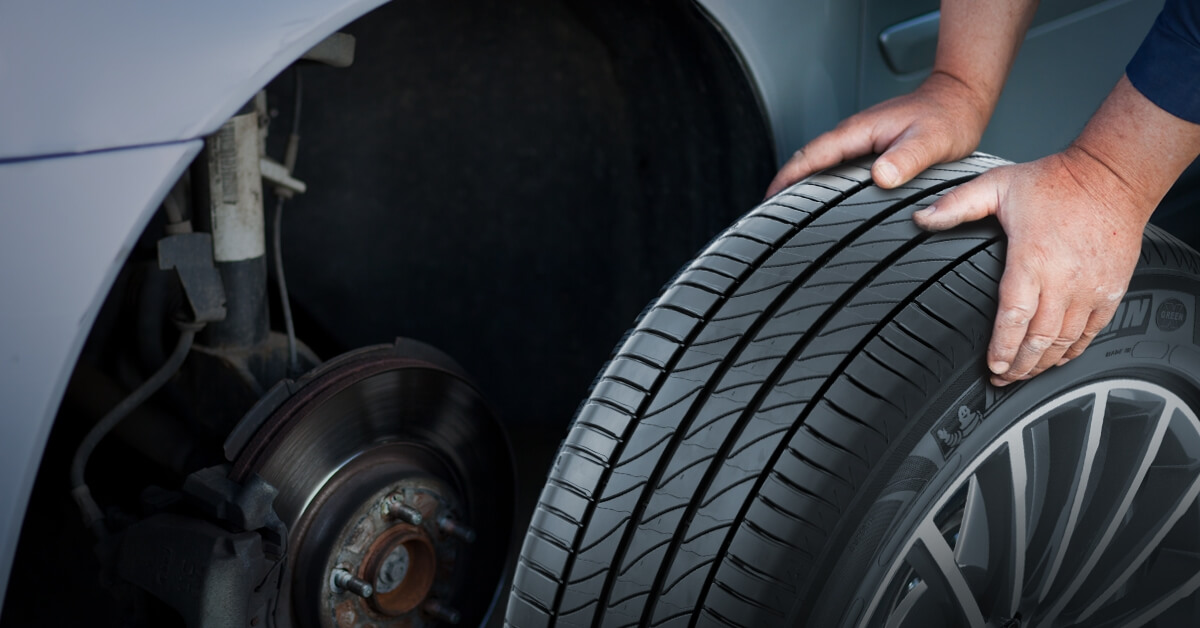
From a safety and performance standpoint, tyres are one of the most crucial components on any vehicle. They’re one of the first things an MOT tester will check - and failing to maintain them correctly could not only lead to your car failing its annual test, it could land you in trouble with the law.
The maximum penalty for driving with illegal tyres here in the UK is a £2,500 fine and three penalty points. Per tyre, that is. Worst case scenario, you could lose your licence and have a £10,000 fine to pay if all four tyres are unsafe.
As you can probably tell by this point, driving on illegal or unsafe tyres is something no motorist should ever intentionally do. But the majority of the time, drivers get caught out simply because they don’t notice their tyres deteriorating.
To help make sure that doesn’t happen to you, we’re going to run through everything you need to know about tyre care right here. As well as answering some common questions - like how regularly you should change your tyres - we’ll cover the main signs of wear, checks you can carry out yourself and steps you can take to maximise the lifespan of your tyres and save money.
First, let’s tackle the question that’s most on your mind: when should I change my tyres?
We hate to disappoint, but there’s no clear-cut, one-size-fits-all answer to this question - because it depends on so many different factors. A tyre could last tens of thousands of miles if it’s well cared for and not pushed beyond its limits, or it could last a handful of miles if it’s being abused.
And that’s before we factor in circumstances outside of your control - like running over a pothole or a sharp object in the road. A tyre can go from being brand new to scrap in the blink of an eye.
All that being said, there is enough data out there to help us predict how long your tyres are likely to last. According to the RAC, tyres typically last between 20,000 and 40,000 miles on average. Those fitted to the driven axle will usually wear faster (meaning the front tyres on front wheel drive cars, or the rears on rear wheel drive cars).
For example, let’s say you have a front wheel drive car like a Volkswagen Golf or Ford Fiesta. You might get 20,000 miles out of a pair of front tyres, but your rears could last for 40,000 miles or more. The reverse could be the case if you have a rear wheel driven vehicle like a BMW 3 Series or Mazda MX-5.
There are a whole host of other factors to consider too, like the weight of the vehicle and the way it delivers power. Heavy vehicles with lots of torque (think electric SUVs like the Tesla Model X) will usually wear their tyres much more quickly than lightweight, low-power vehicles (like a Mini or Fiat 500).
Even the condition of your vehicle could have a significant impact on the lifespan of your tyres. For instance, if your suspension is worn out or your wheel alignment settings are out of whack, load will be distributed across the surface of the tyre in an uneven manner. That leads to friction, which leads to excessive heat building up on one part of the tyre… which ultimately leads to increased wear. It’s pretty common to see tyres wearing excessively on the inside or outside edge, particularly on older vehicles.
So, now you have a rough idea of how long your tyres might last provided they’re well cared for, now let’s turn our attention to care and maintenance. What should you be looking out when you inspect your tyres? Here are some warning signs that they’re due for replacement soon:
Want to save money and make sure your tyres go the distance? Here are a few top tips to help you do just that.
The smoother and more gently you’re able to drive, the longer your tyres will last. It’s that simple. We’re not saying you should drive everywhere at walking pace - just try to avoid harsh braking, aggressive cornering or rapid acceleration if tyre longevity is your primary goal.
As a general rule of thumb, the more friction and heat your tyres have to endure, the quicker they’ll wear out.
Inflating your tyres correctly is an easy, cheap way to make sure they last longer. Underinflated tyres typically wear more rapidly on their outer edges, while overinflated tyres tend to experience more wear in the middle of the tread.
Inflating your tyres to the manufacturer’s recommended pressure ensures the contact patch of the tyre is even, avoiding a scenario where one part of the tyre wears out more quickly. This means you’re getting the most out of every millimetre of tread, evenly distributing the friction and heat across the surface.
A dodgy wheel alignment can have a massive impact on tyre wear. If your car’s camber and toe settings are out of whack, the tyre effectively gets ‘dragged’ along the surface of the road (because it’s not pointing straight ahead, even when your steering wheel is).
As you can imagine, this causes a lot of friction and heat, particularly at motorway speeds. Getting your car’s wheel alignment checked and adjusted is well worth the investment, particularly if you notice any of the symptoms of misalignment (like the car pulling to one side, vibrations through the steering wheel or a lack of feedback through the steering wheel).
Even if you had your car’s tracking checked recently, if you’ve since hit a pothole or a kerb - or even had some suspension components replaced - your camber and toe settings might be incorrect.
Finally, a reminder that choosing the right tyres for your car is all-important. Part-worn tyres might seem tempting at first glance, but they’re often a false economy in the long run. When it comes to tyre longevity and value for money, a good set of brand-new tyres and regular checks are the way forward. Provided you care for them, there’s every chance you’ll hit that 20 to 40,000-mile sweet spot.
If you’re on the hunt for quality tyres that will last and last, we’ve got you covered here at LK Performance. Our range of tyres covers every make and model you can imagine, with options available to suit every budget, season and driving style. To get started, discover our full tyre range today and use the drop-down menus to select the size that’s right for your vehicle.
Questions about fitment, finance, or an order you have already placed? Our advisors know these wheels inside out and are happy to help.
Contact us

Most delays are temporary. Follow these steps:
The delivery driver will leave a card saying that he has made a delivery attempt, along with instructions on what to do next.
We do ask you to allow up to three working days for courier deliveries. If your goods still have not appeared after that time or no one has contacted you by email or telephone, please email us at [email protected].
After placing an order online, you will receive a confirmation email. Following this your order will be set to processing and then delivered once it has been dispatched. After you receive the delivered notification via email, you will receive an email or text message from the courier with your tracking number.
Although we carry a large range of wheels and tyres in stock, we cannot have everything, so in some cases if a product is being sent directly from the manufacturer an invoice will not be included in the parcel. You should receive an invoice by mail a few days later. If you do not receive an invoice, please email [email protected] so we can arrange a copy.
Very occasionally goods get damaged in transit. We always inspect the products before we pack them but after they leave our hands accidents do happen. Please sign the delivery docket with the driver 'damaged' if the outer packaging looks damaged in any way. We then ask you to inspect goods upon receipt and notify us of any damage within 24 working hours by calling us on 01274 877787 or sending us an email at [email protected].
If the goods have been damaged in transit and are faulty, we reserve the right to replace the product. We will of course arrange a collection for the damaged parts and arrange replacements as soon as possible. Please keep all packaging and do not try to fit the damaged parts.
If something is not right about the goods that you have received, please email us at [email protected] or telephone us to let us know. All goods are sold to the manufacturer's Conditions of Sale and Guarantee. Goods specially ordered cannot be returned for credit. We reserve the right to make a handling charge on goods returned against orders correctly executed.
Aftermarket alloys are typically lighter than their stock counterparts, reducing unsprung weight and improving the performance of your car. They’re also available in larger diameters and widths, allowing larger brakes and wider tyres to be installed for increased cornering performance and stopping power.
Alloy wheels have a far longer lifespan than steel wheels. When well cared for, they can last for decades - and they can be easily refurbished and restored to look as good as new.
Vehicle < Results Here
Spec < Results Here
Enter your vehicles data to find products suitable for your vehicle



