
Loading...


Get Wheel Delivery from just £30
 Blogs
Blogs
Alright, all you wheel-geeks out there, this one is for you, so when your mate rocks up in some all-new Audi Sport Quattro Laserlight givin’ it the Big I Am, once you’ve settled back over your peanuts and lager top, you can level the playing field a little. Are we sitting comfortably? Th
Alright, all you wheel-geeks out there, this one is for you, so when your mate rocks up in some all-new Audi Sport Quattro Laserlight givin’ it the Big I Am, once you’ve settled back over your peanuts and lager top, you can level the playing field a little.
Are we sitting comfortably? Then I shall begin.
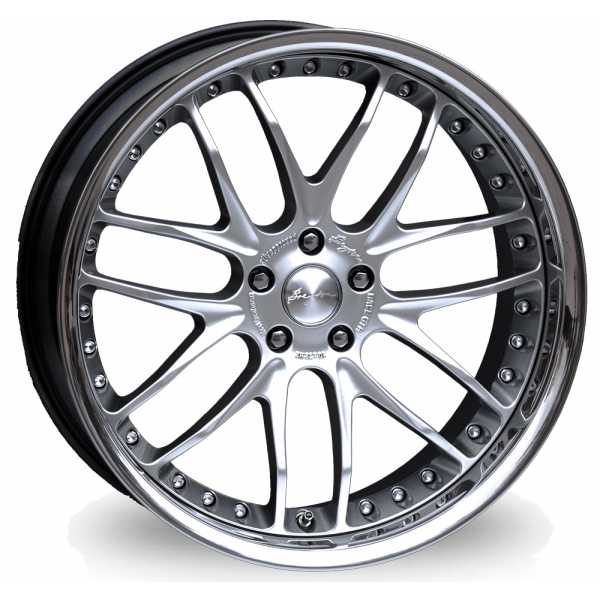
‘Alloy’ denotes wheels that are constructed from an alloy, that is, a combination of elements, not necessarily all metal, with either aluminium or magnesium as a base. All metals have very marked advantages for the myriad demands of today’s industries, but conversely, also weaknesses. For instance, over wood, cast iron is long lasting, far stronger and relatively cheap, however, as we all know, it’s also prone to rust and is totally inflexible. At the turn of the last century, it was discovered only by accident that by adding Chromium to steel (already an alloy of iron, by adding carbon), it stopped rusting and retained a smooth, shiny finish. Thus Stainless Steel was born.
Alloy wheels tend to be much lighter than their steel counterparts, providing better heat conduction, taking brake-generated heat away from the disks more efficiently. Lighter wheels also greatly improve the operating suspension, allowing the vehicle to more closely follow the road, thereby increasing fuel efficiency. Obviously, another benefit is they just look phat.
As with so many now mainstream aspects of car manufacture, mags started out in racing. Historically, magnesium was favoured in wheel manufacture (called ‘mags’, for reasons I can’t fathom), as the aluminium equivalents tended to be alarmingly brittle but, after a little experimentation, aluminium alloys improved markedly through the Sixties and the term ‘mags’ extended to include wheels made from many materials other than magnesium, referring more to the style than the composition.
Pure magnesium wheels were indeed very light, but are prone to pitting or corrosion and are also pretty brittle. Unalloyed magnesium is also extraordinarily flammable, if provoked. It does take quite some provocation it has to be said, but if for whatever reason, say a tyre was on fire, or the wheel rim was scraping down the road after a blow-out, the unfortunate driver might soon find themselves the unwilling owner of an incandescent brazier on one corner of their prized -and usually expensive- possession.
And this would be no ordinary fire, but a full on, ferocious, high temperature car-eating inferno, that wouldn’t be going down without a barney. It was therefore advised to watch the show from a safe distance, rather than mess about trying to douse the 3,000-degree blaze with some pocket-sized dad-can of CO2. Understandably, they quickly fell out of favour and pure magnesium isn’t used anymore, though F1 do favour mag alloys.
Unlike steel wheels, which tend to be stamped out of sheet metal, mags are die cast, gravity cast, or forged. Forging is employed only at the top end of the mag market, being as it’s so much more expensive, however, the resulting wheel is also lighter and stronger than any cast counterparts, justifying the additional cost.
All of these methods are substantially more expensive than straightforward sheet metal fabrication, but they in turn lend themselves to the boss, intricate designs we all know and love.
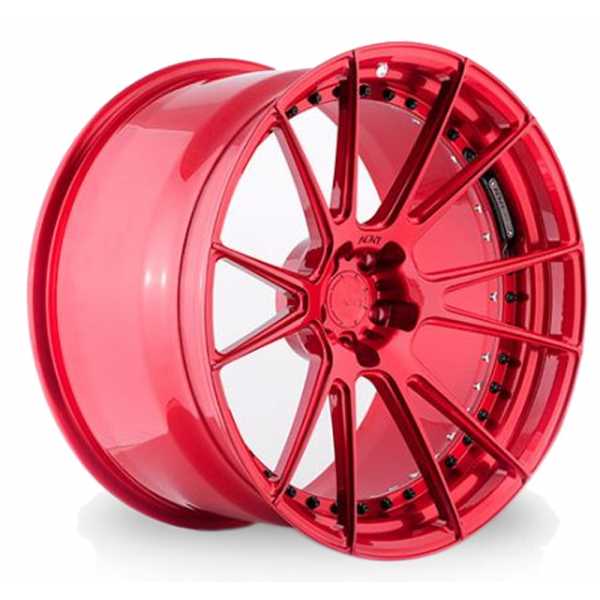
So. When you get outflanked by your boy’s shiny new Vorsprung purchase, get all Durch Technik on it and stick that up his pipes. You know what I mean.
Questions about fitment, finance, or an order you have already placed? Our advisors know these wheels inside out and are happy to help.
Contact us

Most delays are temporary. Follow these steps:
The delivery driver will leave a card saying that he has made a delivery attempt, along with instructions on what to do next.
We do ask you to allow up to three working days for courier deliveries. If your goods still have not appeared after that time or no one has contacted you by email or telephone, please email us at [email protected].
After placing an order online, you will receive a confirmation email. Following this your order will be set to processing and then delivered once it has been dispatched. After you receive the delivered notification via email, you will receive an email or text message from the courier with your tracking number.
Although we carry a large range of wheels and tyres in stock, we cannot have everything, so in some cases if a product is being sent directly from the manufacturer an invoice will not be included in the parcel. You should receive an invoice by mail a few days later. If you do not receive an invoice, please email [email protected] so we can arrange a copy.
Very occasionally goods get damaged in transit. We always inspect the products before we pack them but after they leave our hands accidents do happen. Please sign the delivery docket with the driver 'damaged' if the outer packaging looks damaged in any way. We then ask you to inspect goods upon receipt and notify us of any damage within 24 working hours by calling us on 01274 877787 or sending us an email at [email protected].
If the goods have been damaged in transit and are faulty, we reserve the right to replace the product. We will of course arrange a collection for the damaged parts and arrange replacements as soon as possible. Please keep all packaging and do not try to fit the damaged parts.
If something is not right about the goods that you have received, please email us at [email protected] or telephone us to let us know. All goods are sold to the manufacturer's Conditions of Sale and Guarantee. Goods specially ordered cannot be returned for credit. We reserve the right to make a handling charge on goods returned against orders correctly executed.
Aftermarket alloys are typically lighter than their stock counterparts, reducing unsprung weight and improving the performance of your car. They’re also available in larger diameters and widths, allowing larger brakes and wider tyres to be installed for increased cornering performance and stopping power.
Alloy wheels have a far longer lifespan than steel wheels. When well cared for, they can last for decades - and they can be easily refurbished and restored to look as good as new.
Vehicle < Results Here
Spec < Results Here
Enter your vehicles data to find products suitable for your vehicle



